Mold Removal in East Plateau, WA
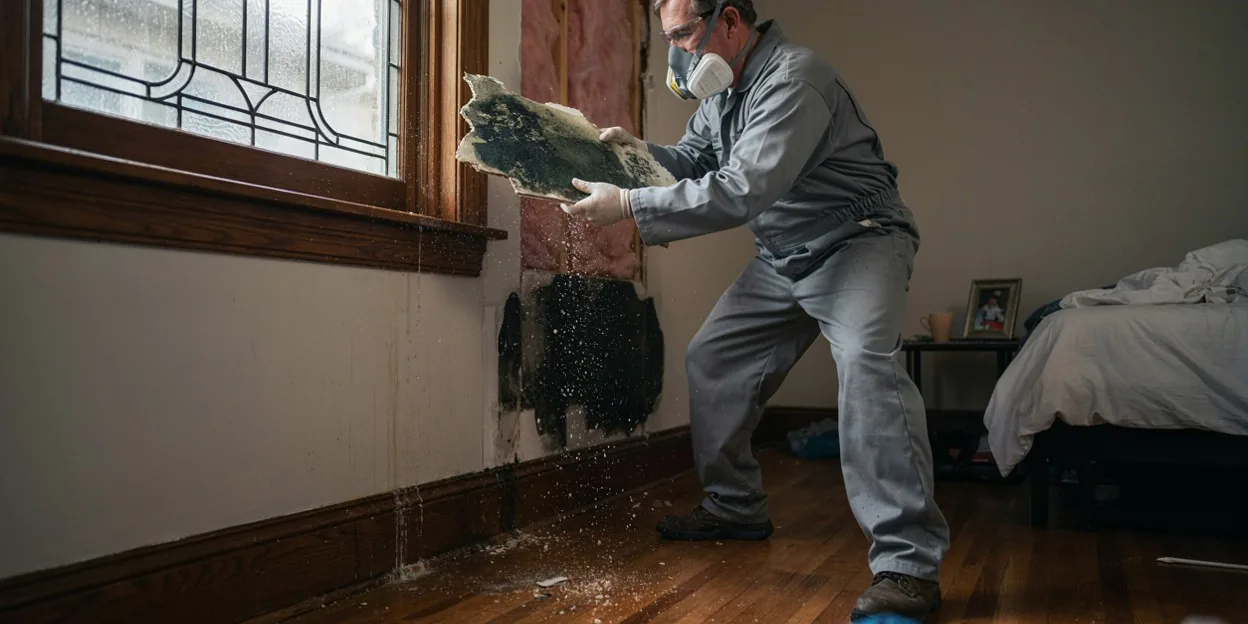
The East Plateau is the high ground east of the Renton Highlands, where 1990s and 2000s subdivisions spread across former farmland and second-growth forest along NE 4th Street and Duvall Avenue toward May Valley. Part of it is inside the city and part is still unincorporated King County, the East Renton Plateau, with a few 1960s and 1970s houses on acre lots left over from before the plats arrived.
These are the newest houses in the Renton area and they have the newest mold problems: tight construction that holds moisture in, multiple bathrooms with fans that end at the soffit, recessed lights that leak house air into a cold attic, and crawl spaces cut into clay that hold the rain. A buyer's inspector on the East Plateau photographs a dark attic deck more often than any other finding.
East Plateau homeowners who call this number reach one independent local mold provider who works both sides of the city line. We make the connection; the provider does the walk-through.
East Plateau mold removal in 1990s and 2000s plats
Black plywood across the north attic slope of a 1998 two-story is attic mold remediation. Spots across a windowless bathroom ceiling that come back every winter is bathroom mold removal. A gray band low on the uphill wall of a daylight basement is black mold removal.
One neighborhood, two permit desks
Addresses on the unincorporated side go through King County Permitting for any rebuild that follows removal, while addresses inside Renton go through the city; the provider checks which side of the line you are on before the first wall is closed.
Call (425) 584-6572 and tell us where the house is wet. We put you through to a local mold provider serving the East Plateau.
Services Available in East Plateau
Mold Removal
Growth on drywall, a closet wall, or a window sill after nine wet months: room sealed, wet board cut to the meter line, framing HEPA-cleaned and dried.
Black Mold Removal
A dark patch handled by how far the moisture reached, not its color: containment, porous material out, hard surfaces cleaned, source fixed before closing.
Whole-Home Mold Remediation
A crawl space, a roof leak, and a bathroom all feeding growth in one house, mapped room by room and cleared in zones as one project.
HVAC Mold Cleaning
Furnace cabinet, coil, and the ducts that run through a damp crawl space cleaned when the heat comes on in October and the house smells wrong.
Bathroom Mold Removal
Spots on a bathroom ceiling with a weak fan, growth behind a vanity or under a shower pan, removed with the leak or the venting fixed first.
Attic Mold Remediation
Dark sheathing under a roof that drips condensation all winter, cleaned and treated once the bath fans vent outside and the soffits breathe.
Mold Odor Removal
A musty smell that climbs out of the crawl space every November, traced to the wet joists or insulation under the floor, then removed and treated.
Mold Damage Repair
Drywall, trim, subfloor, and insulation put back after removal, once the framing reads dry and whatever let the water in is repaired.